
RESALE REIGNS
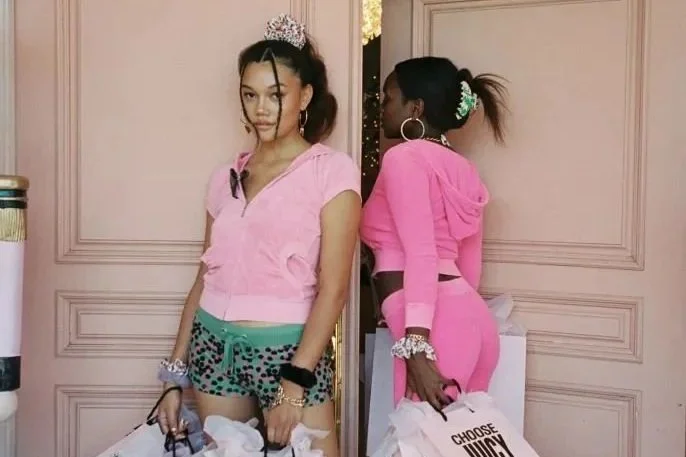
Resale and vintage fashion continue to gain momentum as consumers prioritize value, sustainability, and individuality in their wardrobes. The secondhand market is expanding across both physical stores and digital platforms, with Goodwill Industries International reaching $7 billion in revenue for 2025. Shoppers are drawn to the treasure-hunt nature of vintage shopping, but the experience is evolving as stores improve merchandising and create more curated retail environments. Online platforms are also surging. ThredUp reported a 34 percent revenue increase last quarter, while Depop continues to grow its community of young buyers and sellers. In a sign of how valuable the recommerce market has become, eBay recently announced plans to acquire Depop for about $1.2 billion, aiming to expand its reach among younger, resale-focused shoppers.
As resale expands, traditional fashion brands are beginning to rethink how they fit into this ecosystem rather than competing directly with it. Some retailers are experimenting with curated resale programs, buy-back initiatives, or partnerships with resale platforms that extend the life of their products. Others are leaning into archival reissues, highlighting pieces from past collections that mirror what shoppers are already searching for in vintage markets. Emphasizing durability, timeless design, and repairability can also position brands as part of the circular fashion conversation while reinforcing the long-term value of their products.
For the younger consumers driving resale growth, brand values matter just as much as product. Shoppers drawn to vintage often care about sustainability, authenticity, and transparency, and they are quick to recognize messaging that feels performative. The most effective strategies are the ones that align with a brand’s existing identity rather than forcing a sudden pivot into resale or sustainability narratives. When approached authentically, resale and vintage do not have to threaten traditional retail. Instead, they can strengthen brand storytelling, highlight product longevity, and create new ways for consumers to engage with fashion across multiple lifecycles.