
SHAKING UP SHELVES
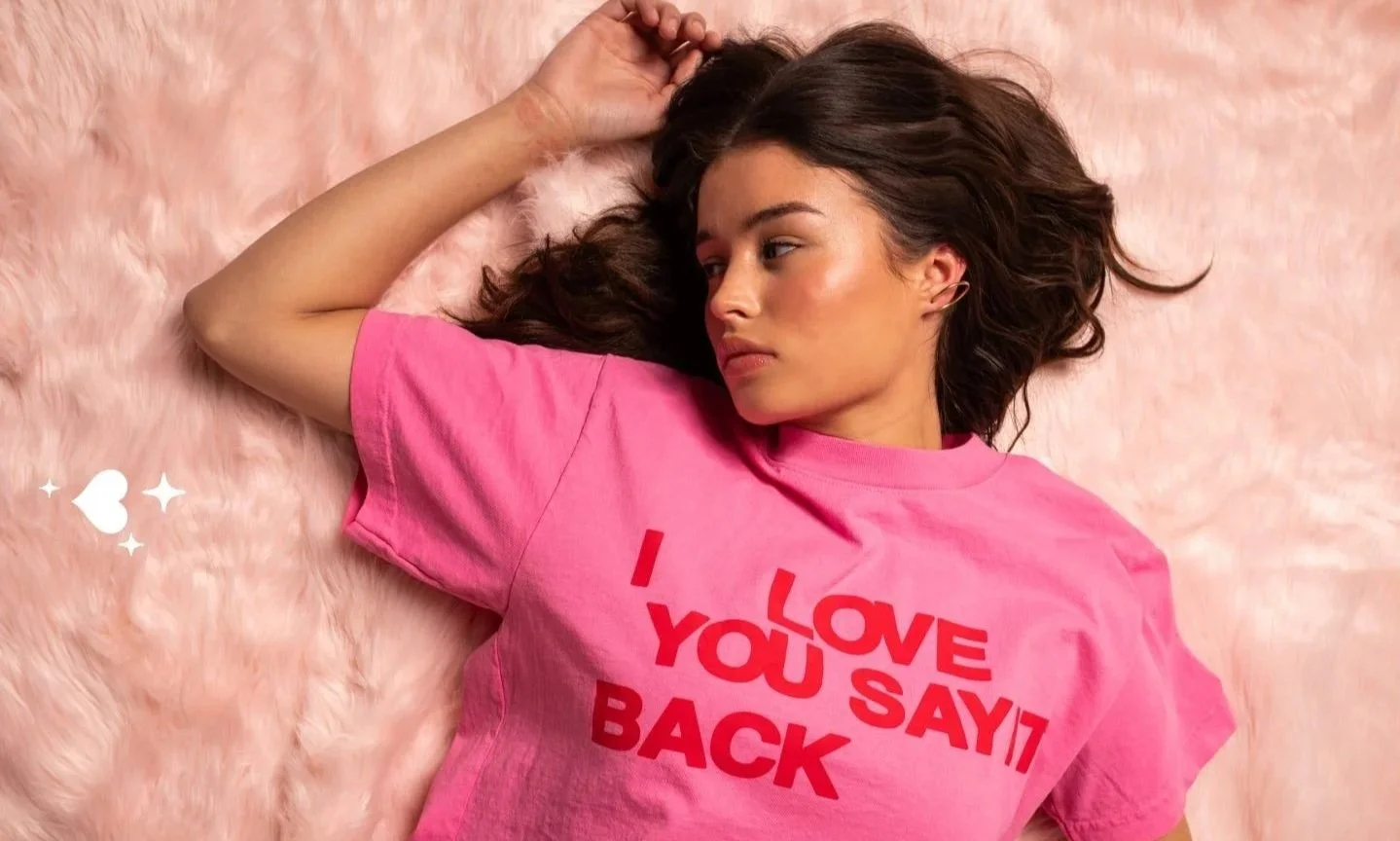
Brands across fashion and retail are rethinking their strategies as competition for consumer attention and market share intensifies. Even established players are reassessing where to invest. Oysho, for example, made a significant push into sleepwear but has since shifted focus toward athleisure and performance categories where it sees stronger long-term growth. At the same time, private-label brands are gaining momentum as retailers look for ways to differentiate their assortments while offering stronger value to shoppers. Companies like Stitch Fix have expanded their in-house product lines, while Maeve has grown from an internal label into a standalone brand identity under Anthropologie.
These shifts reflect a broader retail strategy: building distinct product stories that customers cannot easily find elsewhere. Private-label brands allow retailers to control design, pricing, and exclusivity while strengthening brand loyalty. In a crowded retail landscape, this kind of differentiation can be more profitable than relying solely on third-party brands that appear across multiple competitors.
Retailers are also investing in physical experiences to maintain relevance with younger consumers. Pacsun continues to expand its store footprint, leaning into in-person events, community engagement, and experiential retail to connect with Gen Z and Gen Alpha shoppers. Larger multi-brand retailers often struggle to move quickly as consumer preferences shift, but brands that refine their product focus, strengthen private labels, and create meaningful retail experiences are better positioned to stand out and retain market share.